University Summer Camps in Houston: Rice, UH, and More
Houston has 256 university-affiliated summer camp sessions for 2026. Honest reviews of Rice, UH, Lone Star, San Jac, and HBU programs from $125 to $700/week.
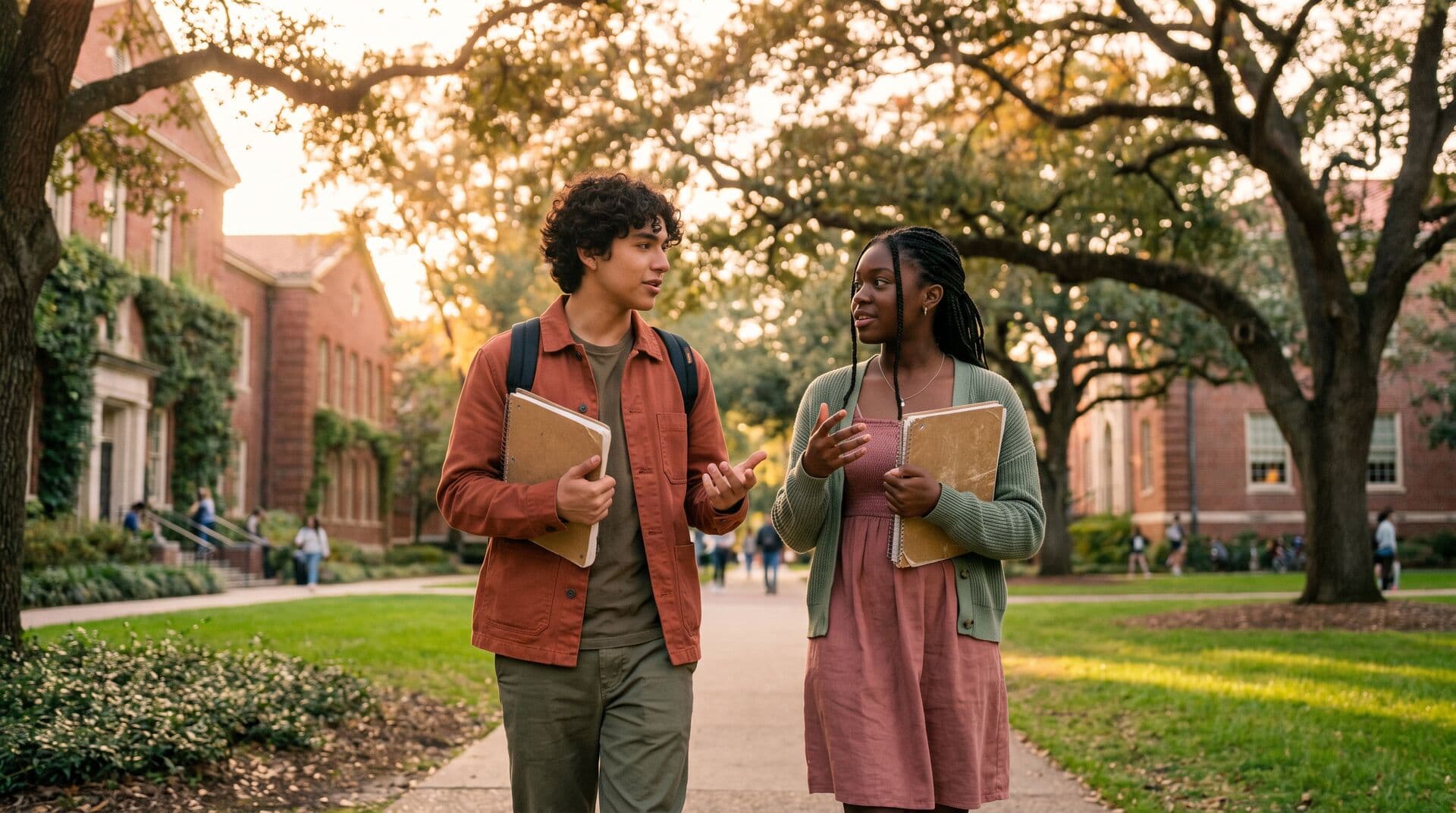
Houston has more higher education campuses than almost any city in the South. That means more options for summer programming, and more confusion about which programs are genuinely run by the university and which just rent the space.
Our 2026 dataset includes 256 camp sessions affiliated with Houston-area universities and colleges (ProjectKids, 2026). These range from $125/week community college workshops to $700/week tech intensives at Rice. The gap between them isn't just price. It's what your kid walks away with at the end of the week.
Here's an honest look at every major university camp system in Houston, what the facilities are really like, and whether the cost is justified.
At a Glance
- Houston has 256 university-affiliated camp sessions across 7 campuses for summer 2026
- Community college camps start at $125/week, roughly 80% less than Rice iD Tech at $700/week (Lone Star College, 2026)
- The biggest value gap is between "hosted at" and "run by" the university
- Ages 13+ benefit most from the campus experience; under 10, it matters less
Houston university camps at a glance
| University | Programs | Ages | Cost/Week | Location | Best For | |, , , , , -|, , , , , |, , , |, , , , , -|, , , , , |, , , , , | | Rice University (iD Tech) | Coding, robotics, game design | 7-17 | $500-$700 | Museum District | Serious coding, campus experience | | Rice Athletics | Baseball, soccer, volleyball | 6-18 | $250-$400 | Museum District | NCAA-level coaching | | UH Athletics | Football, basketball, track | 8-18 | $200-$350 | Third Ward | Competitive athletes | | UH Architecture | Design studios | 14-18 | $400-$600 | Third Ward | Portfolio building | | Lone Star College | STEM, arts, enrichment | 7-14 | $150-$250 | North suburbs (5 campuses) | Affordable STEM | | San Jacinto College | Trades, STEM, creative | 10-16 | $125-$225 | SE Houston (3 campuses) | Hands-on, practical skills | | HBU | Sports, academics | 6-16 | $200-$350 | Sharpstown | Faith-based + athletics |
Prices reflect 2026 published rates where available. Some programs offer need-based discounts or early-bird pricing.
Why are university camps worth the higher price?
University camps cost 40-60% more than comparable city recreation programs, according to our analysis of 825 Houston camp sessions (ProjectKids, 2026). The premium buys three things: better facilities, specialized instructors, and the intangible campus experience that matters most to teens.
The facilities argument is straightforward. University computer labs have equipment that community centers simply don't. Rice's labs run industry-standard software on current hardware. UH's athletic facilities include Division I training rooms, regulation fields, and indoor practice complexes. Your kid won't find that at a park district camp.
Instructors are the second differentiator. Rice Athletics camps are coached by NCAA Division I staff. UH architecture workshops are led by faculty from the Gerald D. Hines College of Architecture. These aren't summer counselors reading a binder. They're professionals teaching within their discipline.
But here's the honest assessment: for kids under 10, the campus setting doesn't add much. A 7-year-old doesn't care whether they're coding in a Rice computer lab or a community center classroom. The material and the instructor matter more than the building. The campus premium pays off most for teens (13-17) who are starting to think about college.
City recreation camp alternatives
Citation Capsule: University-affiliated summer camps in Houston cost 40-60% more than municipal recreation programs, based on an analysis of 825 camp sessions across the metro area (ProjectKids, 2026). The premium covers superior facilities, credentialed instructors, and a campus environment most impactful for teens ages 13-17.
What does rice university offer for summer camps?
Rice University hosts the highest concentration of premium academic camps in Houston. The campus sits at 6100 Main Street in the Museum District, with 300 tree-covered acres and a gated perimeter that makes parents feel better about drop-off (Rice University, 2026). Two distinct programs run here: iD Tech and Rice Athletics.
iD tech at rice
iD Tech is a national tech camp company that operates on college campuses across the country. At Rice, they run week-long sessions in Python, Java, robotics, game design, and AI/machine learning. Kids work in actual university computer labs, not portable setups.
Ages 7-17, with sessions separated by skill level and age group. Day camp runs $500-$700/week depending on the program. Overnight options are also available for teens, which includes dorm housing on the Rice campus.
In our 2026 Houston dataset, iD Tech sessions at Rice fill faster than any other university-affiliated camp. Most sessions reach capacity within 3 weeks of registration opening in January.
The honest take: iD Tech is excellent for kids who are genuinely interested in coding. The curriculum is structured, the instructors are vetted CS students, and kids build real projects. But it's a national franchise, not a Rice-created program. Your kid is on the Rice campus, using Rice labs, but they're attending an iD Tech camp. That distinction matters if you're paying for the "Rice experience."
Rice athletics camps
Rice's NCAA Division I coaching staff runs summer sports camps in baseball, soccer, and volleyball. These happen at Reckling Park (baseball), the Rice Soccer Stadium, and Tudor Fieldhouse (volleyball).
Ages 6-18, with pricing from $250-$400/week. The baseball camp is particularly well-regarded. Houston's baseball culture runs deep, and having D1 coaches correct your kid's mechanics is a real advantage over generic sports camps.
Registration typically opens in February through the Rice Athletics website. Sessions fill quickly for the popular sports, so don't wait until April.
Which houston university has the best sports camps?
UH runs the most competitive athletics camps in Houston. The Cougars' football and basketball programs draw hundreds of kids annually, using the university's $60 million Guy V. Lewis Development Facility and TDECU Stadium (University of Houston, 2026). If your kid is serious about athletics, this is the strongest option.
UH athletics camps
The University of Houston campus at 4800 Calhoun Road in the Third Ward offers football, basketball, and track camps run by Big 12 coaching staff. These are intense programs designed for kids who want to compete, not casual recreation.
Ages 8-18, priced at $200-$350/week. That's notably cheaper than Rice, which reflects UH's mission to keep programming accessible. The football camp in particular benefits from UH's recent investments in their athletic complex.
What makes these camps different from a generic sports clinic? The coaching staff. These are the same coaches who recruit high school athletes. For kids ages 14-18 who are thinking about playing in college, the exposure and instruction quality is hard to match.
UH architecture and design camps
The Gerald D. Hines College of Architecture runs summer design studios for high school students (ages 14-18). These portfolio-building workshops are led by faculty and focus on architectural design, urban planning, and 3D modeling.
Cost runs $400-$600/week, which sounds steep until you consider what's included: studio time with professional-grade equipment, faculty mentorship, and a portfolio piece that can support a college application. For a kid seriously considering architecture or design school, this is one of the few programs in Houston that offers real pre-professional experience.
UH's architecture camp is an underrated gem. Most parents searching for summer camps don't think to look at architecture programs, but for visually creative teens who aren't interested in traditional arts or STEM camps, this fills a gap that almost nothing else in Houston covers.
Citation Capsule: The University of Houston runs Big 12-level athletics camps at $200-$350/week, roughly 30% less than comparable Rice programs, while its Gerald D. Hines College of Architecture offers rare portfolio-building summer studios for high school students at $400-$600/week (University of Houston, 2026).
Are community college camps as good as university camps?
For the right age group, community college camps deliver comparable educational value at 50-70% lower cost. Lone Star College's Discovery College program runs STEM enrichment at $150-$250/week, less than half of what iD Tech charges for similar content (Lone Star College, 2026). The trade-off is facilities and prestige, not instruction quality.
Lone star college discovery college
Lone Star College operates five campuses across Houston's northern suburbs: CyFair, Kingwood, Montgomery, North Harris, and Tomball. Their Discovery College program offers dozens of STEM, arts, and academic enrichment sessions for kids ages 7-14.
Programs include robotics, coding basics, engineering challenges, creative writing, and art. Pricing runs $150-$250/week, making this the most budget-friendly university-affiliated option in Houston.
Registration opens in March, which is later than Rice and UH. Sessions are offered at multiple campus locations, so check which campus is closest to you before registering.
The honest take: Lone Star's camps won't give your kid the "college campus" feel that Rice or UH provides. The suburban campus environments feel more like upgraded high schools. But the instruction is solid, the prices are fair, and for kids under 12, the setting genuinely doesn't matter as much as the curriculum.
We've found that parents often overlook community college camps entirely when searching for summer programs. They don't show up in the typical "university camp" search results, and they market less aggressively. That's a missed opportunity, especially for families with multiple kids where the cost difference between $150/week and $600/week multiplied by two or three children adds up fast.
San jacinto college
San Jacinto College covers southeast Houston with three campuses: Central (Pasadena), North (Houston), and South (Houston). Their summer youth programs lean more practical than academic, covering trades awareness, STEM fundamentals, and creative arts.
Ages 10-16, priced at $125-$225/week. San Jac's programming has a hands-on, vocational angle that other university camps don't. Kids might learn basic welding safety, electronics repair, or culinary fundamentals alongside traditional STEM topics. For a kid who learns by doing rather than sitting at a screen, this is a strong fit.
Houston baptist university (HBU)
HBU at 7502 Fondren Road in the Sharpstown area runs sports and academic camps for ages 6-16, priced at $200-$350/week. The programming blends athletics with a faith-based environment.
HBU's campus is compact but well-maintained, with good athletic facilities for a smaller university. The sports camps cover basketball, soccer, and general athletics. For families who want a Christian environment integrated into the camp experience, HBU is the primary university option in Houston.
Faith-based summer camps in Houston
The campus experience factor: Does it matter?
For teenagers, yes. Being on a real college campus for a week changes how a 14-year-old thinks about their future. Eating in a university dining hall, walking through a quad, seeing college students around, it normalizes the idea of higher education in a way that a brochure can't (Rice University, 2026).
For kids under 10, honestly, no. A first-grader doesn't register the difference between a university lab and a community center computer room. They care about the activity, the instructor, and whether their friends are there. Don't pay a campus premium for a child who won't notice it.
"Hosted at" vs. "Run by" the university
This is the single most important distinction parents miss. iD Tech is "hosted at" Rice University. It uses Rice's campus and labs, but it's a separate for-profit company with its own curriculum, staff, and pricing. Rice Athletics camps, on the other hand, are "run by" Rice's own coaching staff.
Why does this matter? Accountability and continuity. A camp run by the university is tied to the institution's reputation. The coaches and faculty have a long-term stake. A hosted camp is essentially renting space, the quality depends entirely on the hosting company, not the university.
Both can be excellent. iD Tech is a well-run national program. But know what you're buying. If someone tells you their kid "went to camp at Rice," ask which program. The experience varies significantly.
The "hosted at" vs. "run by" distinction explains most of the quality variance in university camps nationally. Parents assume the university name equals university quality, but hosted programs can range from outstanding (iD Tech) to mediocre (generic rental agreements with no university oversight). Always check who actually designs the curriculum and hires the instructors.
Citation Capsule: Houston-area university camps split into two models: programs "run by" the institution's own staff, like Rice Athletics and UH Architecture, and those "hosted at" university facilities by external companies, like iD Tech at Rice. The distinction affects accountability, curriculum design, and instructor quality.
How to choose the right university camp
Start with your kid's age and interest, not the university name. Here's a practical decision framework.
Ages 7-9: Lone Star College or San Jacinto College. The campus setting won't register, so pay for the program, not the location. Save hundreds per week.
Ages 10-12: If STEM-focused, iD Tech at Rice is strong. If sports-focused, Rice Athletics or UH Athletics. If budget matters, Lone Star Discovery College covers similar ground at lower cost.
Ages 13-17: This is where the campus experience pays off. iD Tech overnight at Rice, UH Architecture studios, and UH Athletics camps all offer something a kid can't get at a community center. The investment makes sense here.
Budget-first families: Lone Star College ($150-$250/week) and San Jacinto College ($125-$225/week) deliver solid programming without the university premium. For a family with three kids, choosing Lone Star over iD Tech saves $1,350+ per week.
Budget-friendly Houston summer camps
FAQ
How many university-hosted summer camps are in houston?
Our 2026 dataset includes 256 camp sessions affiliated with Houston-area universities and colleges (ProjectKids, 2026). These span seven campuses: Rice, UH, Lone Star College (five locations), San Jacinto College (three locations), and HBU. The count includes both programs run by the universities and those hosted on university grounds by outside organizations.
Are university camps worth the higher price?
For kids ages 13 and up, generally yes. The campus environment, access to real labs and professional equipment, and instruction from college faculty or NCAA coaches justify the premium. For younger kids under 10, the setting matters less than the curriculum and instructor quality. A well-run Lone Star College program at $150/week can deliver as much educational value as a $600 program at Rice for a 7-year-old.
When does registration open for rice and UH summer camps?
iD Tech at Rice typically opens registration in January and fills fast, often within three weeks for popular sessions. UH athletics camps open in February. Lone Star College Discovery College opens in March. HBU camps also open in early spring. Set calendar reminders and don't wait. For detailed registration timing across all Houston camps, see our registration dates guide.
Can my kid attend a university camp even if they're young?
Yes. Lone Star College accepts kids as young as 7 for Discovery College programs. iD Tech at Rice starts at age 7 as well. Most UH athletics camps begin at age 8. San Jacinto's youth programs start at 10. HBU's sports camps accept kids from age 6. The youngest campers are typically grouped separately and follow age-appropriate curricula.
What's the difference between iD tech and rice's own camps?
iD Tech is a national for-profit company that rents Rice's campus facilities. It has its own curriculum, instructors, and pricing. Rice Athletics camps are run directly by Rice's NCAA Division I coaching staff. Both use Rice's campus, but they're entirely different organizations. iD Tech focuses on coding and technology. Rice Athletics focuses on competitive sports training. For more academic options, see our guide to Academic Prep and Gifted Programs. If you're looking specifically for tech programs, check our Space City STEM guide.
Part of the Houston Summer Camps 2026 Complete Guide.
Sources
Planning your kid's whole summer?
Don't piece it together one camp at a time. Tell us your weeks and kids' ages, and we'll build a week-by-week plan that fills every week — free, no account needed to start.
Related Articles

Gresham and East Portland Kids Programs: The Complete Guide for Outer SE Families
The 4:1 camp disparity between NE Portland and outer SE is real, but the programs that do exist in Gresham fill fast. Here are 20+ named camps with exact addresses, prices, and current enrollment status.
Montrose and Midtown Portland Kids Programs: The Local Parent's Real Guide
Portland's inner neighborhoods have some of the densest camp options in the city, but the good ones fill in February. Here's what's actually available, what it costs, and how to build a summer that doesn't require two hours of daily driving.
Portland Summer Camps Filling Up: What's Still Open in June
Portland summer camps are filling up faster than most years. Here is what our data shows about which programs still have open spots, which are on waitlist, and what actually moves the needle if you are scrambling right now.