Portland Summer Camp Packing List (Oregon Weather)
Portland's June temps swing 50-85°F with a 36% rain chance. Here's the Oregon-specific camp packing list with layers and rain gear most guides forget.
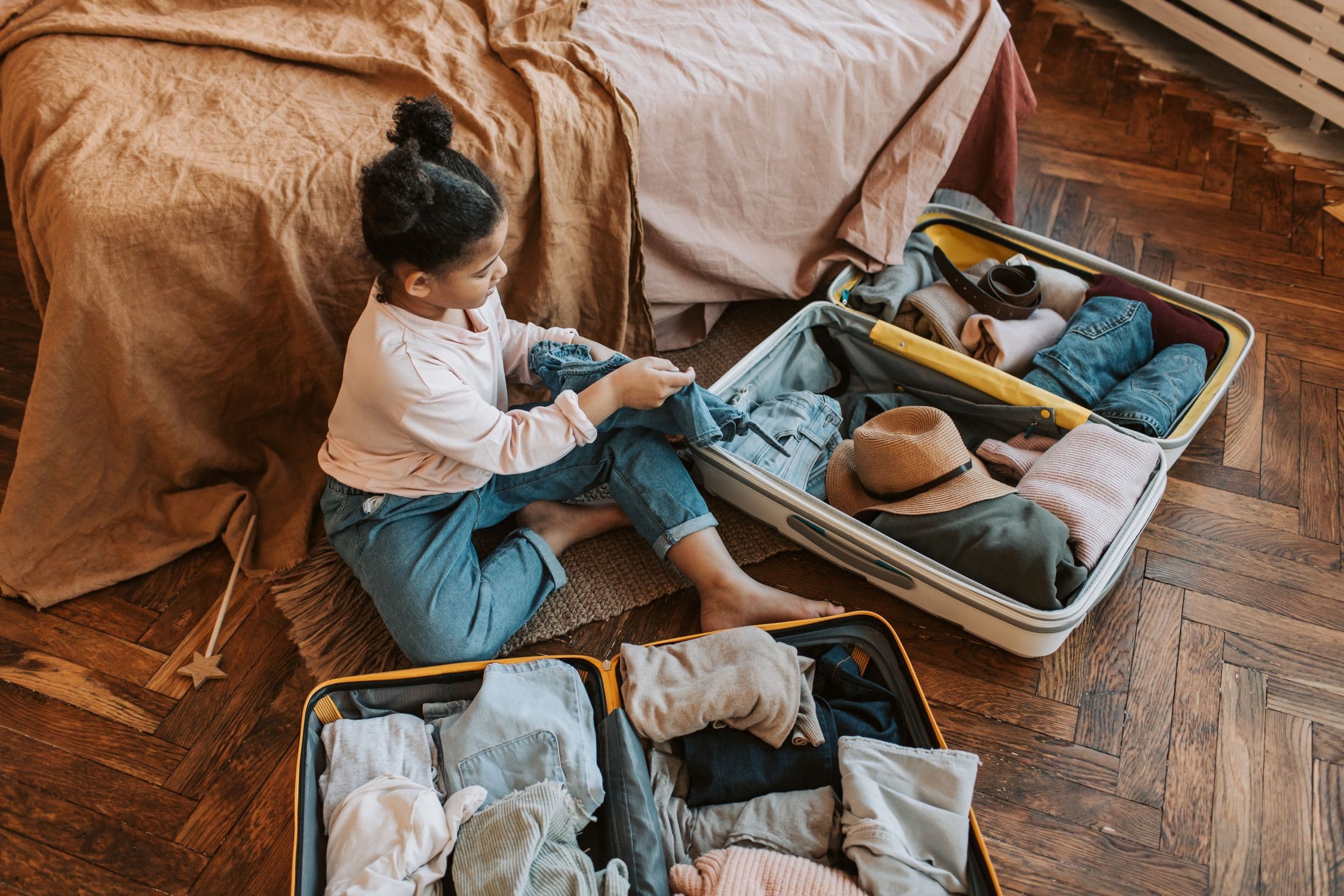
Every national summer camp packing list assumes the same thing: it's hot, it's sunny, and the biggest risk is sunburn.
Oregon disagrees.
Portland summer weather is genuinely unpredictable. July averages in the low 80s, but mornings can be in the 50s. Rain is possible any month. The coast, where several Oregon overnight camps are located, is routinely 20 degrees colder than Portland. Mt. Hood, where Trackers Earth runs overnight camps, can see temperatures in the 40s at night even in August.
Here's the real packing list for Portland summer camps, the one that accounts for where you actually are. If this is your first year sending a kid to camp, our first-time parent guide covers the bigger picture.
Key Takeaways
- Portland's June temperatures swing from 50°F mornings to 85°F afternoons, a 25-30 degree daily range (National Weather Service, 2025)
- A waterproof rain jacket ($40-80) is the single most important gear item for any Oregon outdoor camp
- The Oregon Coast runs 15-20 degrees colder than Portland regardless of month, requiring extra warm layers
- Wool socks ($12-18/pair) stay warm when wet and are essential for overnight camps at Mt. Hood elevation
- Label every item: water bottles, fleece layers, and sunscreen are the three most commonly lost camp items
What are the non-Negotiables for oregon outdoor camps?
Portland's summer temperature swings of 25-30 degrees in a single day make layered packing essential, according to National Weather Service data for the Portland metro area. Here are the four items every Oregon camp requires.
Rain gear: A waterproof jacket is not optional for any Oregon outdoor camp. Not a "water-resistant" jacket, a waterproof one. Portland gets rain in June. The coast gets rain in July. The jacket that works for a Portland spring will work for a Portland summer camp.
Layers: The temperature swing between morning and afternoon in Portland in summer can be 25-30 degrees. A kid who's comfortable in a t-shirt at noon will be cold at 8am and 8pm. Pack a mid-layer (fleece or light down) in addition to the rain jacket.
Closed-toe shoes: Most Portland outdoor camps require closed-toe shoes for safety reasons. Sandals and flip-flops are not appropriate for camps involving archery, hiking, or any outdoor skills work. Pack trail runners or sturdy sneakers.
Sunscreen: Yes, even in Oregon. The UV index in Portland in July is higher than most people expect. Pack SPF 30 or higher and make sure your kid knows how to apply it.
Citation Capsule: Portland's summer weather swings 25-30 degrees between morning lows in the mid-50s and afternoon highs in the 80s, making layered clothing and a waterproof rain jacket the two most critical packing items for any Oregon outdoor camp (National Weather Service, 2025).
What does a complete portland camp packing checklist look like?
Based on our review of packing guidelines from 234 Portland-area camps, including requirements from Trackers Earth, Girl Scouts of Oregon, and the American Camp Association, here's what matters by camp type.
| Item | Day Camp | Overnight Camp | Oregon Coast | Mt. Hood | |, , , |, , , , , |, , , , , , , , |, , , , , , , |, , , , , | | Rain jacket | Yes | Yes | Yes | Yes | | Layers/fleece | Yes | Yes | Yes | Yes | | Closed-toe shoes | Yes | Yes | Yes | Yes | | Sunscreen | Yes | Yes | Yes | Yes | | Water bottle | Yes | Yes | Yes | Yes | | Sleeping bag (40°F) | No | Yes | Yes | Yes | | Headlamp | No | Yes | Yes | Yes | | Wool socks | No | Yes | Yes | Yes | | Dry bag with change of clothes | No | Yes | Yes | Yes | | Insect repellent | Yes | Yes | No | Yes | | Written medication info | Yes | Yes | Yes | Yes |
The coast and Mt. Hood columns look nearly identical for a reason. Any time your kid is sleeping away from home in Oregon, you need the full kit. Day camps are lighter, but the rain jacket and layers are still non-negotiable.
What extra gear do mt. hood overnight camps need?
Nights at elevation in the Mt. Hood foothills can drop into the 40s even in July, according to National Weather Service mountain forecasts. The American Camp Association recommends that overnight camp gear be rated for conditions 10 degrees colder than expected (ACA, 2024).
Add a warm sleeping bag rated to at least 40°F. A sleeping bag rated for 50°F will not be warm enough.
Add a headlamp. Not a flashlight, a headlamp. Kids who are doing outdoor activities after dark need their hands free.
Add wool or synthetic socks. Cotton socks get wet and stay wet. In the Mt. Hood foothills, wet feet are a real comfort and safety issue.
What should you pack differently for oregon coast camps?
The coast is colder than Portland. Pack everything you'd pack for Portland outdoor camps, plus an extra warm layer. Coastal fog in the morning can make it feel like fall even in August. The Oregon Coast is always 15-20 degrees cooler than Portland, regardless of the month (National Weather Service, 2025).
Waterproof shoes or boots are more important on the coast than anywhere else. Tide pools, beach exploration, and coastal hiking all involve wet feet.
Citation Capsule: The Oregon Coast consistently runs 15-20 degrees cooler than Portland regardless of month, meaning a 90°F August day in Portland translates to 70-75°F with wind at the coast, requiring families to pack extra warm layers and waterproof footwear for coastal overnight camps (National Weather Service, 2025).
How does portland weather change month by month?
Oregon's summer isn't one season. It's three distinct months with different personalities. Understanding each one helps you pack the right gear for your kid's specific camp week.
June is the month that surprises transplants. Highs in the 60s to low 70s. "June Gloom" is real. Overcast mornings, occasional rain, and temperatures that feel more like late spring than summer. Don't assume your kid will be warm enough in a t-shirt.
July is the sweet spot. Highs in the 70s to low 80s, dry most days. This is Portland's driest month and the time when national packing lists actually make sense. But mornings still start in the mid-50s.
August gets hot. Highs in the 80s, sometimes pushing into the 90s during heat waves. Nights cool down to the low 60s, so sleeping bags still matter for overnight camps. Wildfire smoke is also possible in late August, so check air quality if your kid has asthma.
The Oregon Coast is always 15-20 degrees cooler than Portland, regardless of the month. A 90-degree August day in Portland means 70-75 at the coast, with wind. Pack accordingly.
What packing items do most lists miss?
A reusable water bottle: Most Portland camps are explicit about this. Single-use plastic bottles are not welcome at most outdoor camps in Portland.
A change of clothes in a dry bag: For any camp involving water activities, creek exploration, or heavy outdoor work, a dry change of clothes in a waterproof bag is worth having.
Insect repellent: Portland's summer mosquito season is real, especially near water. DEET or picaridin-based repellent for camps near wetlands or rivers.
A written copy of any medications and dosing instructions: Most camps require this. Don't assume the camp has your kid's medical information from a previous year.
Which camp gear is worth investing in?
You don't need to spend a fortune. But a few items are worth buying right.
A good rain jacket ($40-80) will last multiple summers if you size up slightly. Look for taped seams and a hood that actually stays on. This isn't a one-season purchase.
Wool socks cost $12-18 per pair, which feels steep for kids' socks. They're worth it. Wool stays warm when wet, dries fast, and doesn't hold odor. Two pairs can get a kid through a week of overnight camp.
A headlamp ($10-20) is useful far beyond camp. Power outages, backyard camping, reading in a tent. It's one of those items that earns its place in the drawer.
What about the expensive stuff? Don't buy premium hiking boots or technical shells for a kid who's growing two inches a year. Portland has excellent secondhand gear options. Next Adventure on SE Grand has a used gear section. REI hosts garage sales with steep discounts on returned gear. Facebook Marketplace is full of barely-used kid outdoor gear every September.
For a sense of what camps cost overall (and how to budget for gear on top of tuition), check our Portland summer camp cost breakdown.
What should you leave at home?
Electronics: Most Portland outdoor camps are explicitly phone-free. Don't send your kid with a phone unless the camp specifically allows it. The American Camp Association reports that camps with device-free policies see higher camper satisfaction and stronger social bonding (ACA, 2024).
Expensive clothing: Outdoor camps involve mud, fire, and water. Send clothes you don't mind ruining.
Citation Capsule: The American Camp Association recommends that overnight camp gear be rated for conditions 10 degrees colder than expected, and reports that camps with device-free policies see higher camper satisfaction and stronger social bonding among attendees (American Camp Association, 2024).
FAQ
Do portland camps provide gear?
Most day camps expect you to bring everything. Overnight camps vary. Some (like Trackers Earth) provide group gear such as tarps, cooking equipment, and shelters. Personal items like sleeping bags, rain jackets, and headlamps are almost always your responsibility. Check the camp's packing list, which usually arrives by email a few weeks before the session starts.
What shoes are best for oregon outdoor camps?
Trail runners are the best all-around choice. They handle mud, gravel, and wet grass. Waterproof versions exist but aren't necessary for most day camps. For coastal or creek-heavy camps, a sturdy sport sandal like Keens works as a second pair, but closed-toe shoes should always be the primary footwear. Skip anything with a smooth sole. For more on rainy day activities and what to expect when weather turns, we have a separate guide.
Should i label everything?
Yes. Label every single item. Camps accumulate enormous lost-and-found bins by mid-July. A permanent marker on the tag works fine. Fancy labels are optional. The items most commonly lost: water bottles, fleece layers, and sunscreen. Write your kid's name on all three before day one.
How much does essential camp gear cost for a portland kid?
Budget roughly $100-$150 for the basics: a waterproof rain jacket ($40-80), waterproof boots ($40-60), and two pairs of wool socks ($24-36). For overnight camps, add a sleeping bag rated to 40°F ($50-100) and a headlamp ($10-20). Portland's secondhand gear shops, especially Next Adventure on SE Grand, can cut these costs by 40-60%.
Sources
Planning your kid's whole summer?
Don't piece it together one camp at a time. Tell us your weeks and kids' ages, and we'll build a week-by-week plan that fills every week — free, no account needed to start.
Related Articles

Gresham and East Portland Kids Programs: The Complete Guide for Outer SE Families
The 4:1 camp disparity between NE Portland and outer SE is real, but the programs that do exist in Gresham fill fast. Here are 20+ named camps with exact addresses, prices, and current enrollment status.
Montrose and Midtown Portland Kids Programs: The Local Parent's Real Guide
Portland's inner neighborhoods have some of the densest camp options in the city, but the good ones fill in February. Here's what's actually available, what it costs, and how to build a summer that doesn't require two hours of daily driving.
Portland Summer Camps Filling Up: What's Still Open in June
Portland summer camps are filling up faster than most years. Here is what our data shows about which programs still have open spots, which are on waitlist, and what actually moves the needle if you are scrambling right now.